


Your Complete Guide to Global Weather & Time Zones
Whether you're planning a trip abroad, scheduling a call with an international client, or simply curious about the world — understanding weather patterns and time zones makes every decision smarter.
☀️ UV Index: What Each Level Really Means
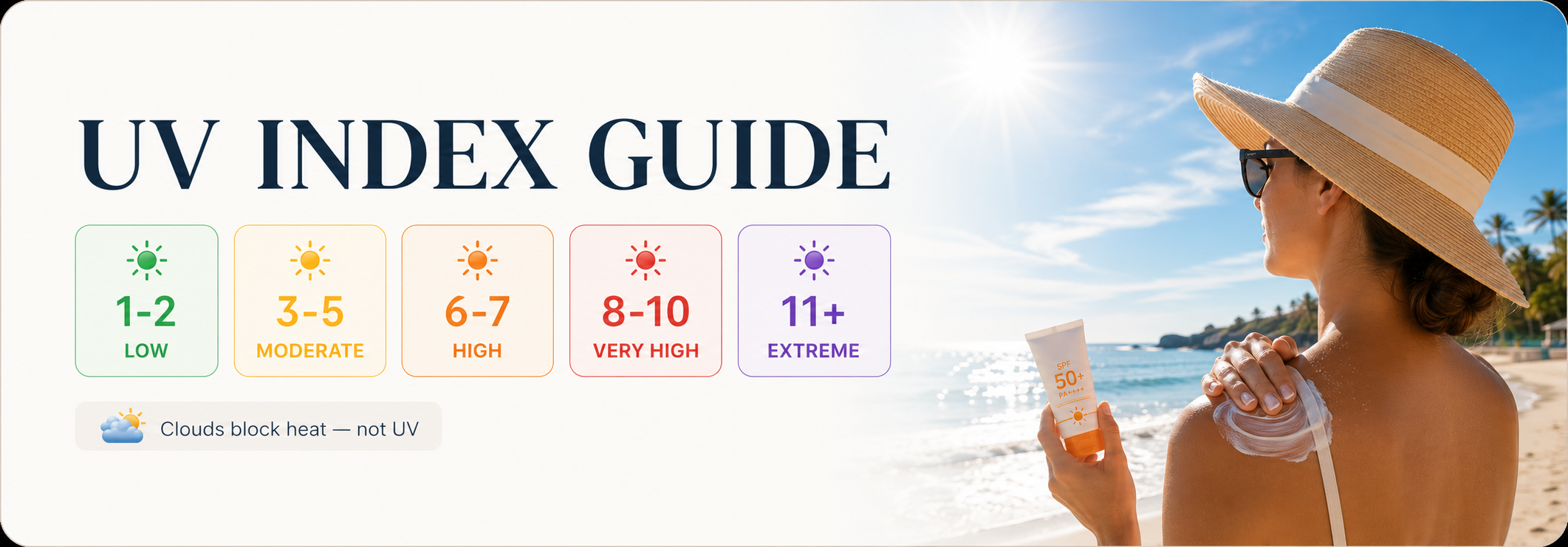
The UV Index tells you how strong ultraviolet radiation is right now. Ignoring it is one of the most common travel mistakes.
🌬️ "Feels Like" vs. Actual Temperature
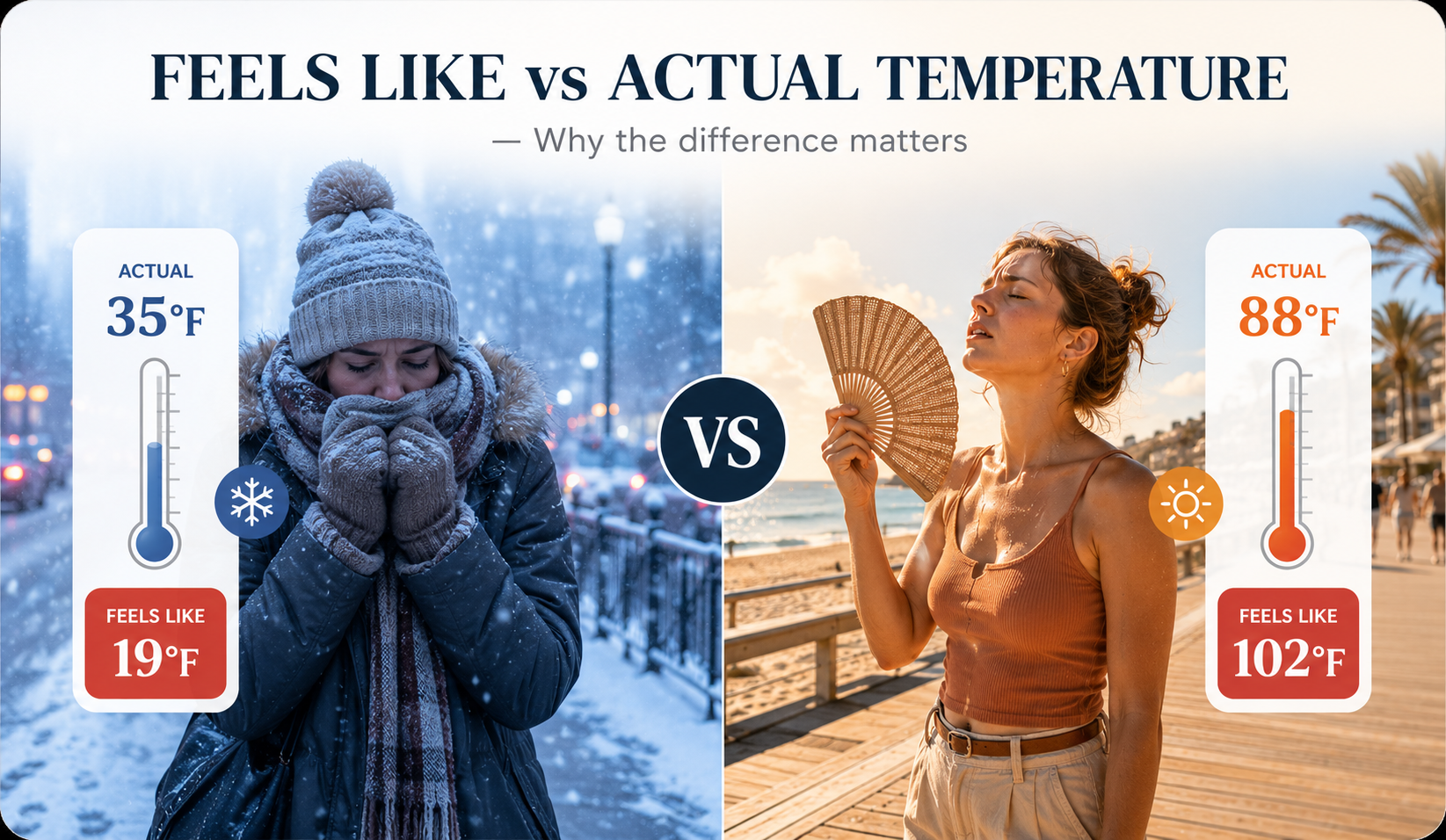
Wind strips the warm air layer your body generates, accelerating heat loss. A 20 mph wind makes 35°F feel like 19°F. Conversely, at 90°F with 80% humidity, your sweat can't evaporate — making it feel like 105°F. That's why Feels Like is always the number that matters most for planning your day.
🌍 Time Zone Facts That Will Surprise You
✈️ Best Weather Season by City
🌡️ Reading Air Pressure Like a Forecaster
Above 1013 hPa: High pressure — sinking air, clear skies, calm winds. Great weather ahead.
Below 1013 hPa: Low pressure — rising air, clouds form, storms develop. Carry an umbrella.
Rapid drop (8+ hPa in 3 hours): Meteorologists call this a "pressure bomb" — significant weather change incoming within hours.
🧳 Weather-Based Packing Guides
Packing for your destination's weather is one of the most overlooked parts of trip planning. Here's exactly what to bring — with links to the best-rated gear:
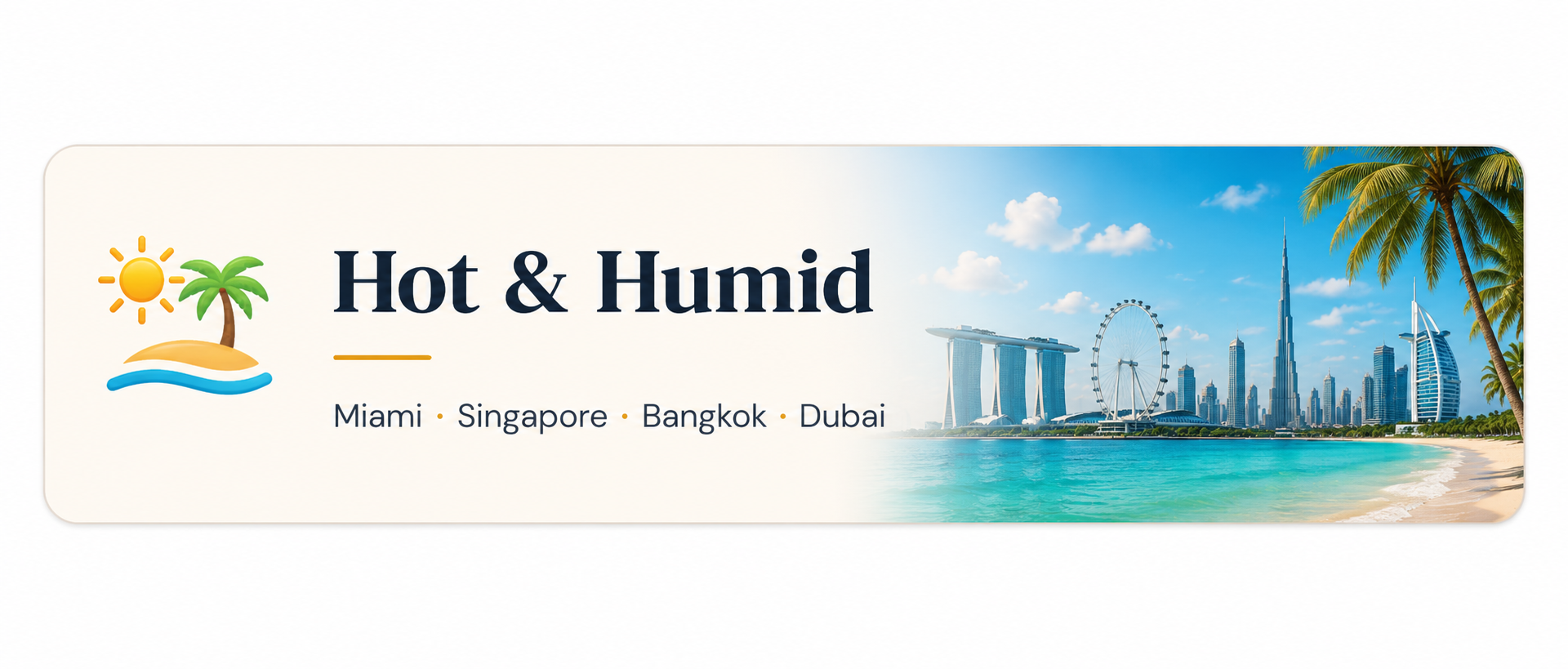
- ☀️ SPF 50+ Sunscreen — reapply every 90 min
- 😎 UV400 Polarized Sunglasses — essential above UV 6
- 💨 Portable Neck Fan — rechargeable, game changer
- 📱 Waterproof Phone Pouch — beach & water activities
- 📶 Travel eSIM — data in 200+ countries
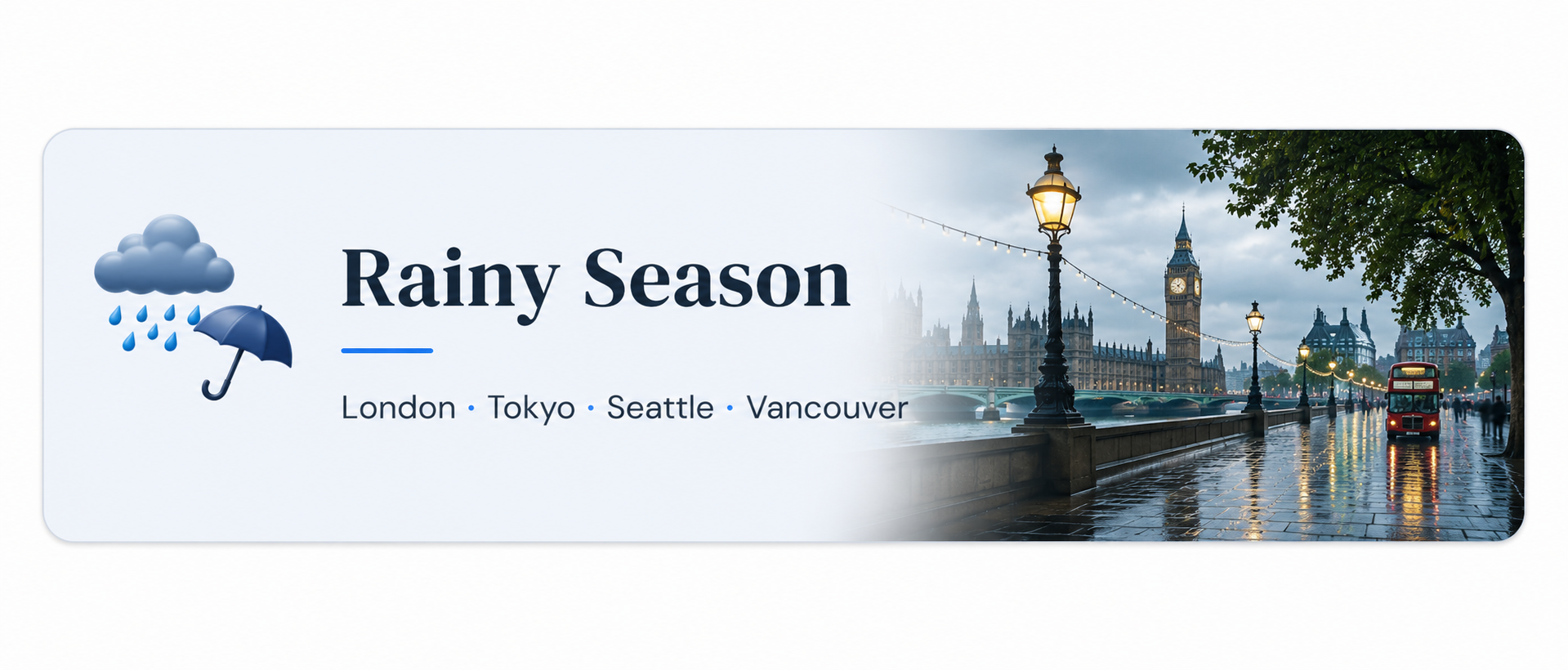
- ☔ Windproof Travel Umbrella — compact, fits in bag
- 🧥 Packable Rain Poncho — backup layer
- 🥾 Waterproof Rain Boots — keep feet dry all day
- 📱 Waterproof Phone Pouch — protect your device
- 📶 Travel eSIM — stay connected abroad
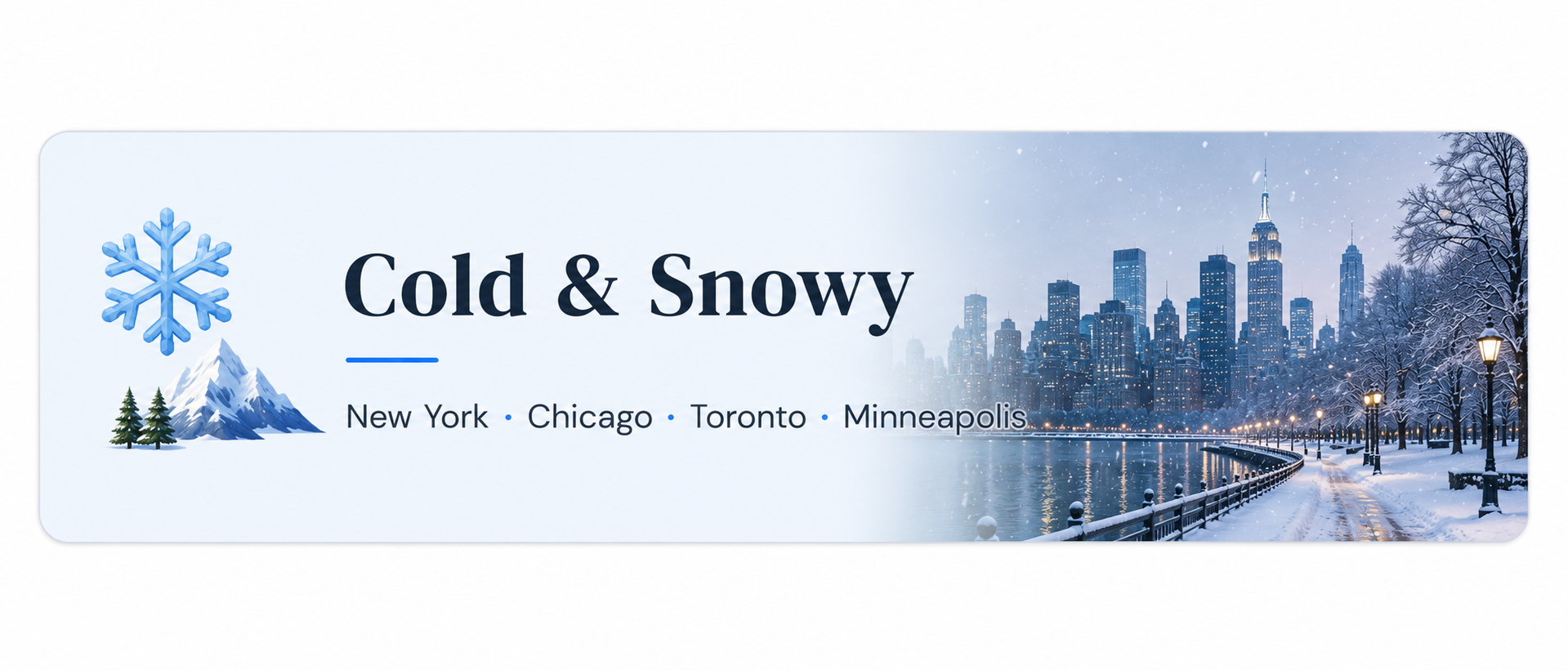
- 🧤 Thermal Touchscreen Gloves — warm + use your phone
- 🎩 Wool Beanie Hat — essential for wind chill
- 🥾 Waterproof Snow Boots — insulated for ice
- 🔥 Pocket Hand Warmers — reusable, pocket-sized
- 🛋️ Electric Heated Blanket — for the hotel room
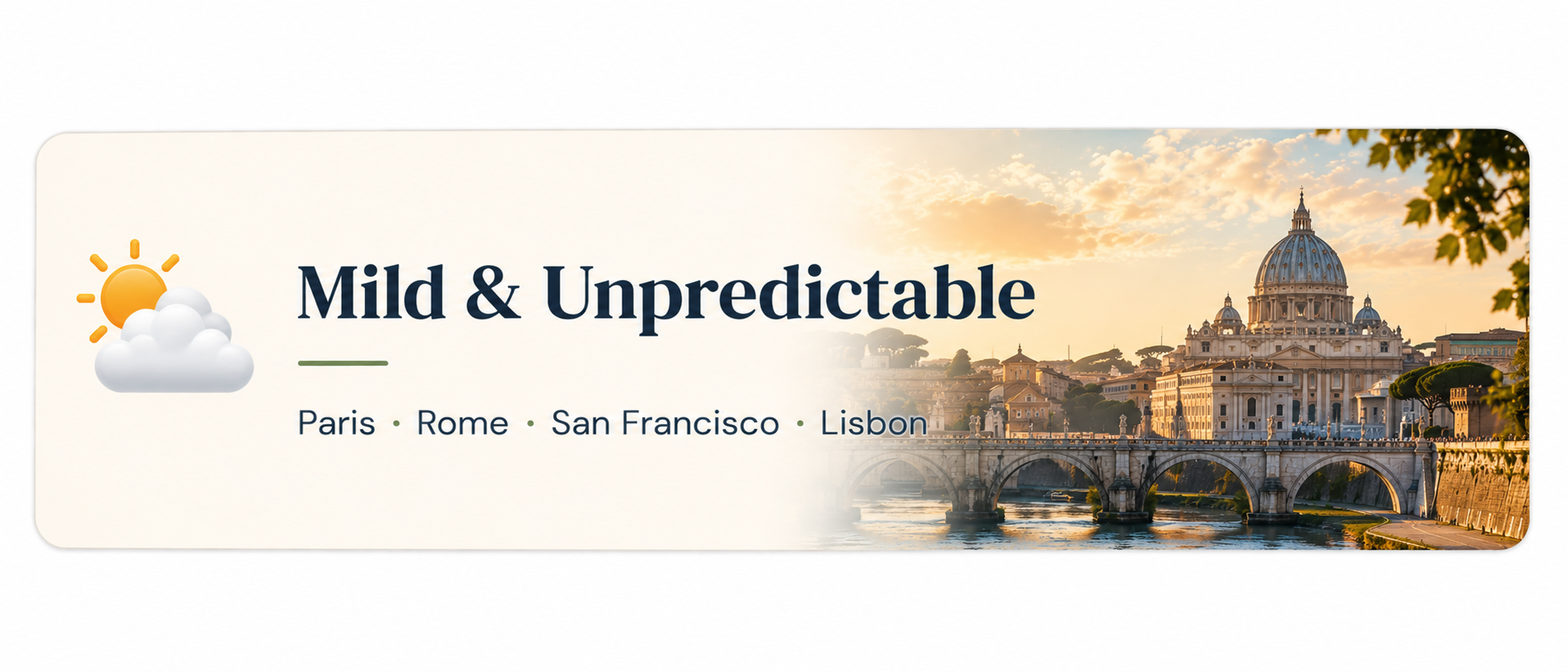
- 🔌 Universal Travel Adapter — mandatory for Europe
- 🔋 Portable Power Bank — long days of sightseeing
- ☔ Compact Umbrella — clouds surprise you
- ☀️ SPF 30+ Sunscreen — UV moderate but present
- 🎡 Tours & Activities — explore with Klook
💡 Pro tip: Check the UV Index and "Feels Like" on TimeNWeather before you pack — a 75°F day with UV 10 needs very different gear than a 75°F overcast day.
❓ Frequently Asked Questions
What is the largest time difference between two places?
26 hours — between Line Islands (UTC+14) and Baker Island (UTC-12). Two places on Earth can simultaneously be two full calendar days apart.
Can you get sunburned on a cloudy day?
Yes. Clouds block up to 50% of UV radiation but never all of it. On a UV 8 day, even heavy cloud cover can still deliver a UV 4 dose — enough to burn fair skin in under an hour.
How accurate is the weather data here?
We use Open-Meteo, aggregating data from NOAA, ECMWF, and Deutscher Wetterdienst. Forecasts update hourly with typical accuracy of ±2°C within 24 hours.
Can I install this as an app on my phone?
Yes — Time & Weather Global is a full PWA. On iPhone tap Share → "Add to Home Screen." On Android tap menu → "Install App." It loads instantly and works like a native app.
Why does my city show a different time than expected?
Daylight Saving Time shifts clocks seasonally. Our tool applies the correct DST offset for every city in real time automatically — no manual adjustment needed.